Digital fatigue overwhelms us. Our resources are sapped by planned obsolescence, dual and triple authentication, the constant demand to prove one’s humanity, efforts to elude surveillance and tracking, and updating to remain the same (the title of a book by Wendy Chun). How have contemporary artists and critics addressed the condition of digital fatigue and overwhelm? What solutions have they proposed? In this seminar, we will look closely at works and texts that invite conversation about these questions.
-
Seminar 1
Mon, Sep 28, 20265:00 pm to 7:00 pm -
Seminar 2
Tue, Sep 29, 20265:00 pm to 7:00 pm -
Seminar 3
Wed, Sep 30, 20265:00 pm to 7:00 pm -
Public Lecture: Better Living in Eichlerville: California Modernism’s Influence on Apple
Thu, Oct 1, 20265:00 pm
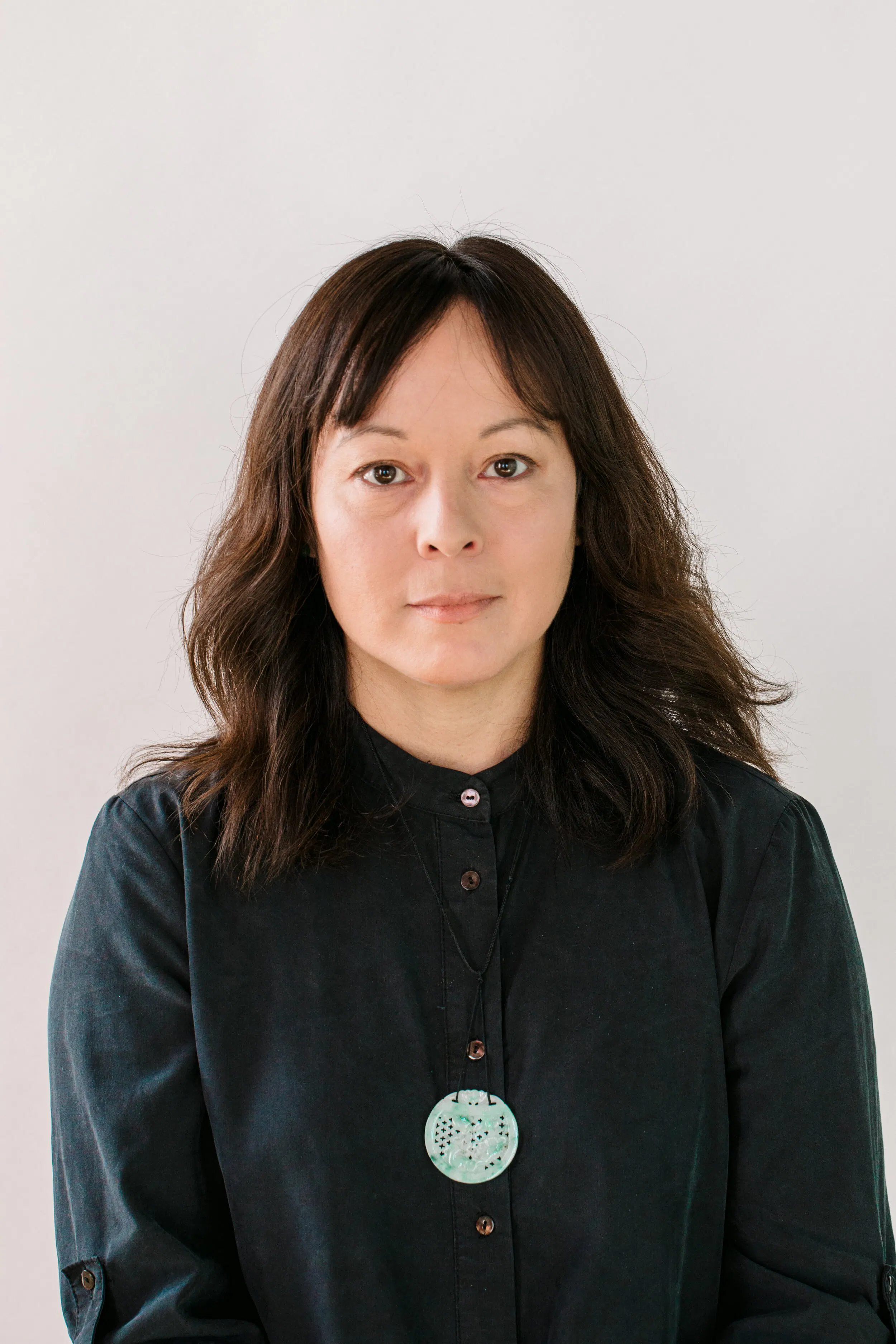
Homay King is Professor of History of Art at Bryn Mawr College. She is the author of two books: Lost in Translation: Orientalism, Cinema, and the Enigmatic Signifier and Virtual Memory: Time-based Art and the Dream of Digitality.
Her essays have appeared in Afterall, Discourse, Film Quarterly, October, and other publications including the catalogue for the Metropolitan Museum of Art’s China: Through the Looking Glass and The Films of Andy Warhol Catalogue Raisonné.
She is working on a book project entitled Go West: A Mythology of California’s Silicon Valley, for which she was awarded an Ailsa Mellon Bruce Visiting Senior Fellowship at the National Gallery of Art. She is a member of the Camera Obscura editorial collective.
Jonathan Crary, Chapter One of 24/7: Late Capitalism and the Ends of Sleep
Homay King, “Christian Marclay’s Two Clocks” from Virtual Memory: Time-based Art and the Dream of Digitality.
Hito Steyerl, “In Free Fall: A Thought Experiment on Vertical Perspective” and “The Spam of the Earth: Withdrawal from Representation” from The Wretched of the Screen.
Édouard Glissant, “For Opacity” from The Poetics of Relation; and Zach Blas and Jacob Gaboury, “Biometrics and Opacity: A Conversation”